Almost every product on the shelf is labeled for a skin type, so knowing yours saves money and frustration. The good news: you can get a reasonable answer at home in about an hour.
The bare-face test
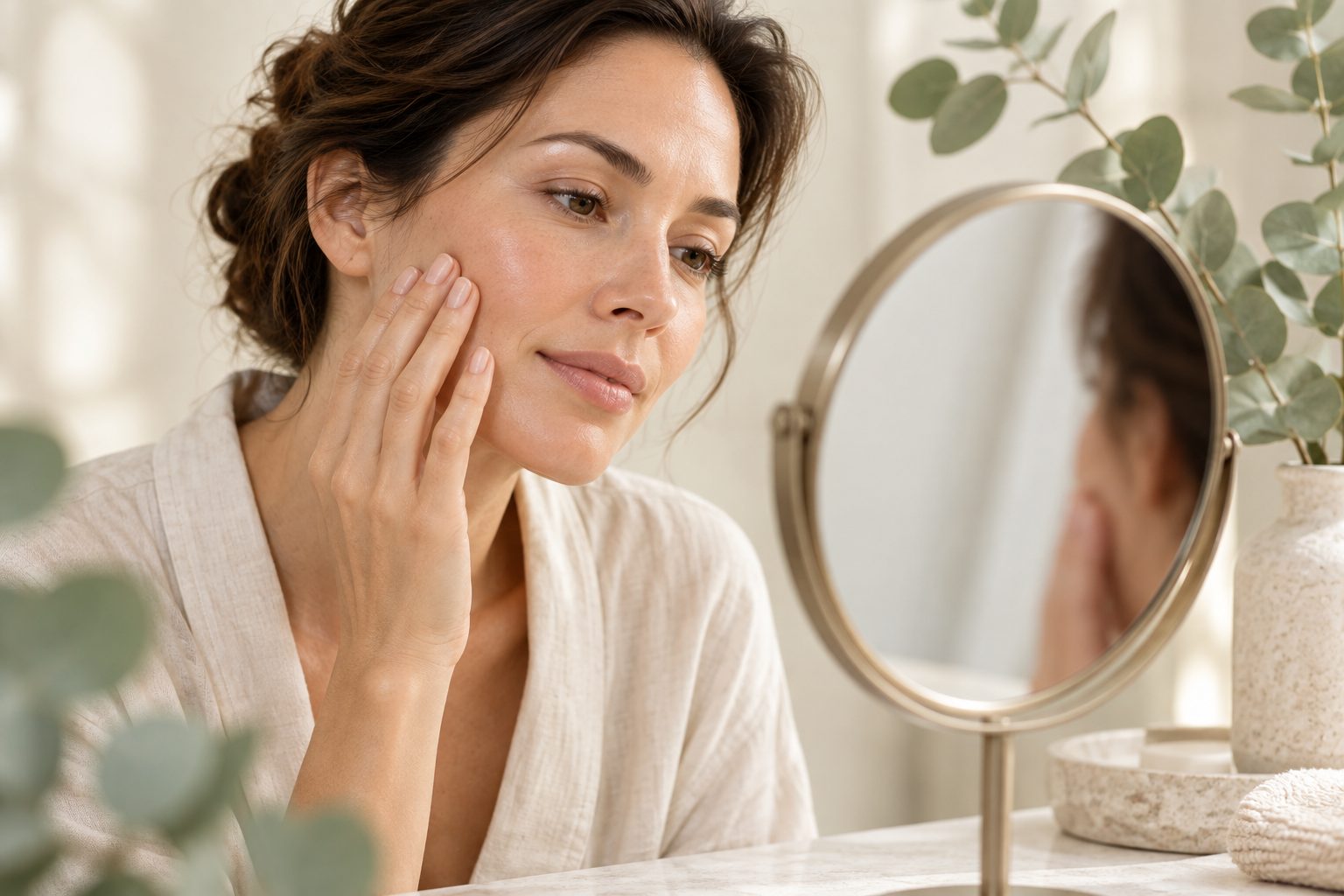
Wash your face with a gentle cleanser, pat dry and do not apply anything. After about an hour, look closely and notice how your skin feels and looks.
- Tight, flaky or dull all over: likely dry.
- Shiny across the whole face: likely oily.
- Shiny on the forehead, nose and chin but normal or dry on the cheeks: likely combination.
- Comfortable, neither tight nor shiny: likely normal.
Sensitive is a reaction, not a type
Sensitivity describes how your skin responds rather than how much oil it makes. Skin that stings, flushes or feels irritated with many products is sensitive, and that can be true of any of the types above. If that sounds like you, fragrance-free products and patch-testing new products on the jawline for a few days are sensible habits.
Skin type changes
Season, climate, age and stress all shift skin from one category toward another. Skin that was oily in your twenties may feel much drier later; dry winter air can turn combination skin dry for a few months. Repeat the bare-face test when the seasons change or when your usual products stop feeling right.
How it shapes your routine
Drier skin usually does best with cream cleansers and richer moisturizers. Oilier skin often prefers gel cleansers and lightweight, oil-free hydration. Combination skin can use different products on different zones. Sensitive skin benefits from fewer products with shorter ingredient lists.
Still unsure? Describe your skin in our questionnaire and a consultant will help you narrow it down.